Choosing the Best Treats for Senior Pets: A Practical Guide to Aging Well
Caring for an older pet is a quiet act of love. The grey around the muzzle, the slower pace on walks, the way they settle into their bed a little more carefully each evening. These changes remind us that our companions are entering their golden years, and their needs are shifting. One of the most practical ways to support senior pet wellness is by rethinking what we offer as rewards, snacks, or daily supplements. The right treats for senior pets can make a meaningful difference in mobility, digestion, and overall comfort.
I have spent years watching my own older dog navigate arthritis and a cat who refuses to believe she is fourteen. What I have learned is that a treat is never just a treat. It is a tool for health, a moment of connection, and sometimes the only way to get them to take something that actually helps. That is where nutraceutical pet products come in. They sit at the intersection of food and medicine, offering targeted support without the fight of a pill or a syringe.
Why Senior Pets Need Different Nutrition
Ageing alters how a pet absorbs nutrients, processes proteins, and maintains muscle mass. A one-size-fits-all kibble or standard biscuit often falls short for older animals. Senior pet nutrition focuses on lower calorie density to prevent weight gain, higher quality protein to preserve muscle, and added joint and immune support. This is where well-chosen treats for senior pets can fill gaps that meals alone leave open.
For example, glucosamine for dogs is a common ingredient in mobility support treats. It helps maintain cartilage, and many older dogs with hip dysplasia or general stiffness respond well. But delivery matters. I have seen dogs spit out tablets hidden in cheese, yet they will eagerly chew a soft, flavoured treat that contains the same compound. That is the power of a thoughtfully designed product.
CBD and Calming Support for Older Animals
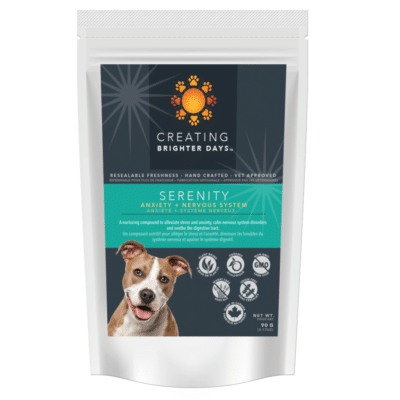
Anxiety in senior pets is more common than many owners realise. Vision loss, hearing decline, and cognitive changes can make familiar spaces feel confusing. CBD pet treats have gained real traction among owners looking for gentle relief. Unlike pharmaceuticals, CBD works with the endocannabinoid system, and many users report calmer behaviour without sedation. It is not a cure-all, but for pets who pace at night or startle easily, a calming chew can restore routine.
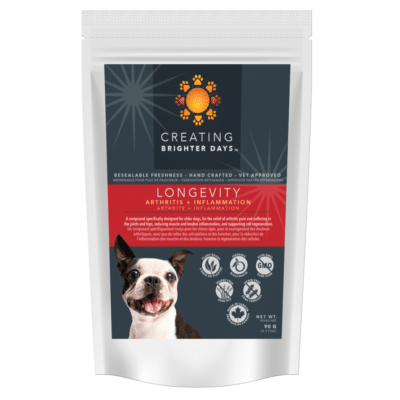
Kush Station offers a selection of these products, and I have found their sourcing to be reliable. The key is to match the cannabinoid profile to the pet’s size and condition. Not all CBD is the same, and older animals with slower metabolisms need consistent, low doses. I always recommend starting with half the suggested serving and watching for changes over a week.
Joint Health and Mobility Support
Stiff joints are probably the most visible sign of ageing in dogs and cats. Arthritis relief for dogs often comes in the form of joint health chews that combine multiple active ingredients. Beyond glucosamine, turmeric for pets is a standout. It reduces inflammation naturally, and when paired with black pepper extract for absorption, it can rival some non-steroidal anti-inflammatory drugs in effect. I have used turmeric-based treats with my own dog and noticed a real difference in how easily he rises from lying down.
Omega-3 fatty acids are another cornerstone. They support joint lubrication and reduce systemic inflammation. Fish oil capsules work, but many pets refuse them. Omega-3 enriched mobility support treats solve that problem by making the oil part of a palatable base. They are also good for coat health, which tends to dull with age.
Digestive Health and Probiotics
Digestive slowdown is a hidden struggle in older pets. Probiotic pet treats help maintain gut flora, which in turn supports immune function and nutrient absorption. I have seen senior dogs with chronic soft stools stabilise after three weeks on a probiotic chew. The same applies to cats, though they are pickier. Fermented ingredients and gentle fibres in these treats can ease constipation without harsh laxatives.
Coconut oil for pets is another ingredient that shows up in some digestive and skin support treats. It contains medium-chain triglycerides that are easy to digest and can support brain health. Some owners drizzle it on food, but a treat that already includes it is simpler.
Dental Health and Antioxidant Support
Dental disease is epidemic in older pets. Bad breath is only the surface. Infection in the mouth stresses the heart and kidneys. Dental health treats are designed to scrape plaque mechanically or deliver enzymes that break down biofilm. They are not a substitute for brushing, but they help when your pet resists a toothbrush. I pair a dental chew with a morning walk, and my dog’s vet has commented on his improved gum condition.
Antioxidant pet treats address cellular ageing. Ingredients like vitamin E, selenium, and beta-carotene protect against oxidative stress. For cats, senior cat food often includes these, but a treat can top up the dose. I rotate antioxidant chews in and out depending on the season and any illness in the house.
Whole Body Care Through Treats
The best approach is to treat the whole animal, not just one symptom. Natural pet care means looking at what goes into every bite. A single treat can combine joint support, probiotics, and omega-3s if it is well formulated. That is the philosophy behind many of the nutraceutical pet products on the market today. They are not magic. They are concentrated nutrition designed for a body that is working harder to stay balanced.
One thing I have learned the hard way is to check the base ingredients. Some treats use grain fillers, sugar, or artificial preservatives that undermine the benefits. A treat with chicken liver as the first ingredient and active compounds as the second and third is better than one where the active ingredients fall after a long list of starches. Senior dog supplements should always be chosen with the same care you would give your own vitamins.
Practical Tips for Introducing New Treats
Start slow. Older pets have sensitive stomachs. Introduce one new treat at a time and wait three days before adding another. Watch for changes in stool, energy, and coat condition. Not every product works for every animal. My neighbour’s dog loves calming chews for pets; my own dog ignores them. That is normal. Do not force it.
Store treats properly. Heat and humidity degrade active ingredients like CBD and probiotics. Keep them in a cool, dark cupboard. Some owners refrigerate soft chews to extend shelf life. Check expiration dates, especially for turmeric for pets and omega-3 fatty acids, which can oxidise.
Talk to your vet. I know this sounds like a disclaimer, but it matters. Some senior pets have kidney or liver conditions that change how they process supplements. A vet can help you choose between a glucosamine chew and a green-lipped mussel option, or advise on whether your cat needs extra taurine in their senior years.
Final Thoughts on Ageing Well
Watching a pet age is bittersweet. The treats for senior pets you choose will not stop time, but they can soften the journey. They are small gestures that add up to real comfort. Whether it is a CBD chew before a storm, a joint health chew after a long nap, or a probiotic treat to settle the stomach, each one is a way of saying, “I see you. I am with you.”
Kush Station has built a reputation for quality in this space, and their range of nutraceutical pet products reflects a genuine understanding of what older animals need. The market is crowded, but products that combine real ingredients with thoughtful formulation stand out. If you are exploring options for your senior companion, start with one need, pick a treat that addresses it honestly, and build from there. That is how you turn a daily ritual into a pillar of senior pet wellness.